History of McCleary
The Story of McCleary: A Legacy of Hard Work and Community
The story of McCleary is one of transformation. It began as a bold vision in the deep woods of Washington and grew into the vibrant, independent city we love today.
McCleary Timeline: Past to Present
-
1898: Henry McCleary founds the first sawmill.
-
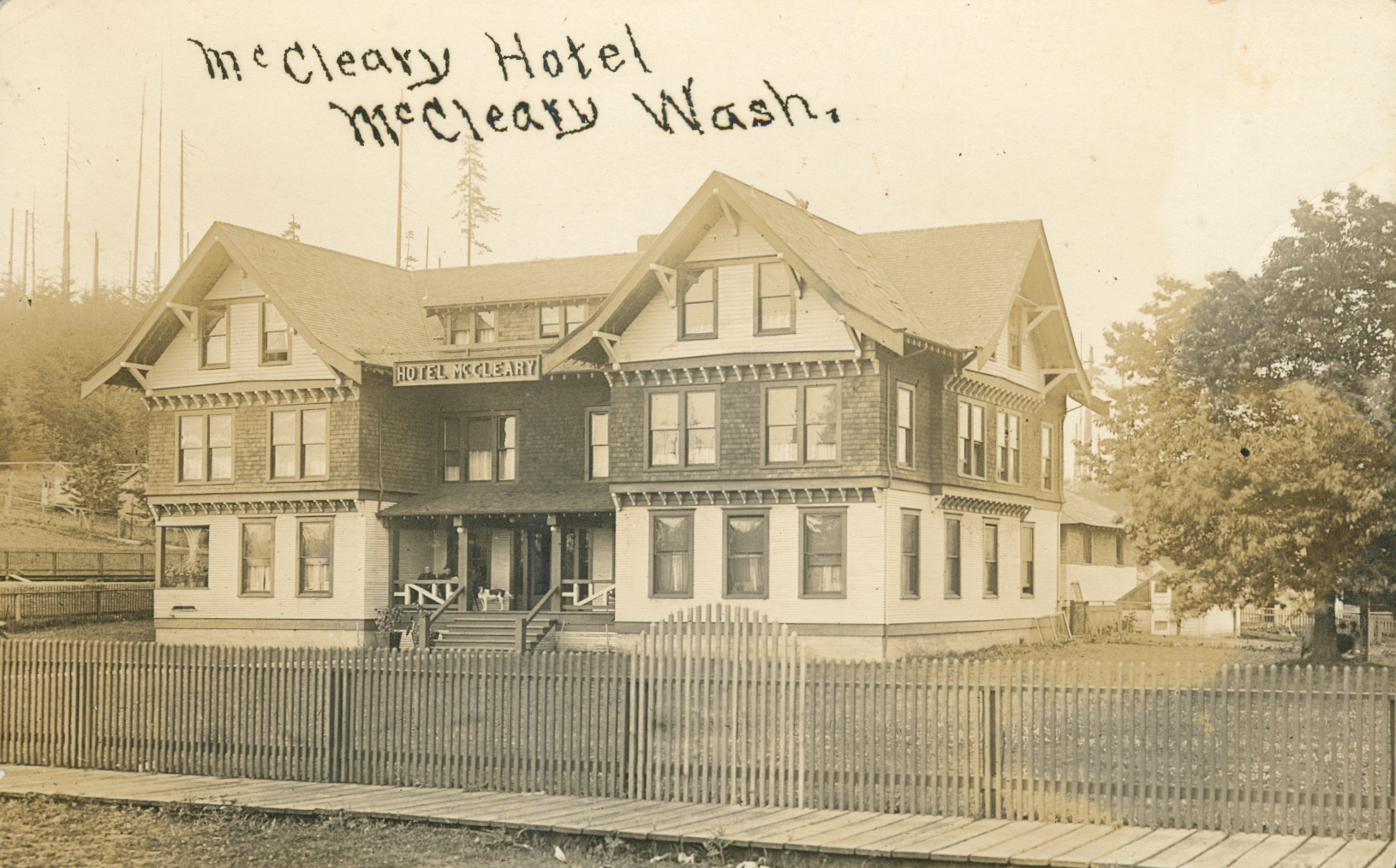
1912: The historic McCleary Hotel opens its doors.
-
1923: McCleary becomes the world leader in door manufacturing.
-
1941: The town is sold to Simpson Logging, leading to private home ownership.
-
1944: McCleary is officially incorporated as an independent city.
- 1952 Mark Reed Memorial Hospital opens.
-
1959: The first Bear Festival is held, starting a beloved annual tradition.
-
2003 New Timberland Library opens.
- 2016 Summit Pacific Medical Center Clinic opens in McCleary.
- 2018 McCleary elects first female mayor.
- 2021 McCleary Museum moves to current location and opens the Event Center for community programs and rentals.
- Present Day: We continue to honor our history through the McCleary Museum & Event Center.
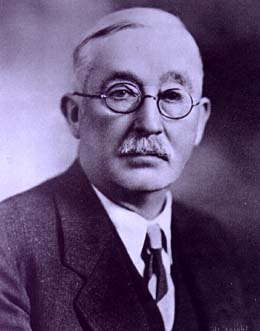
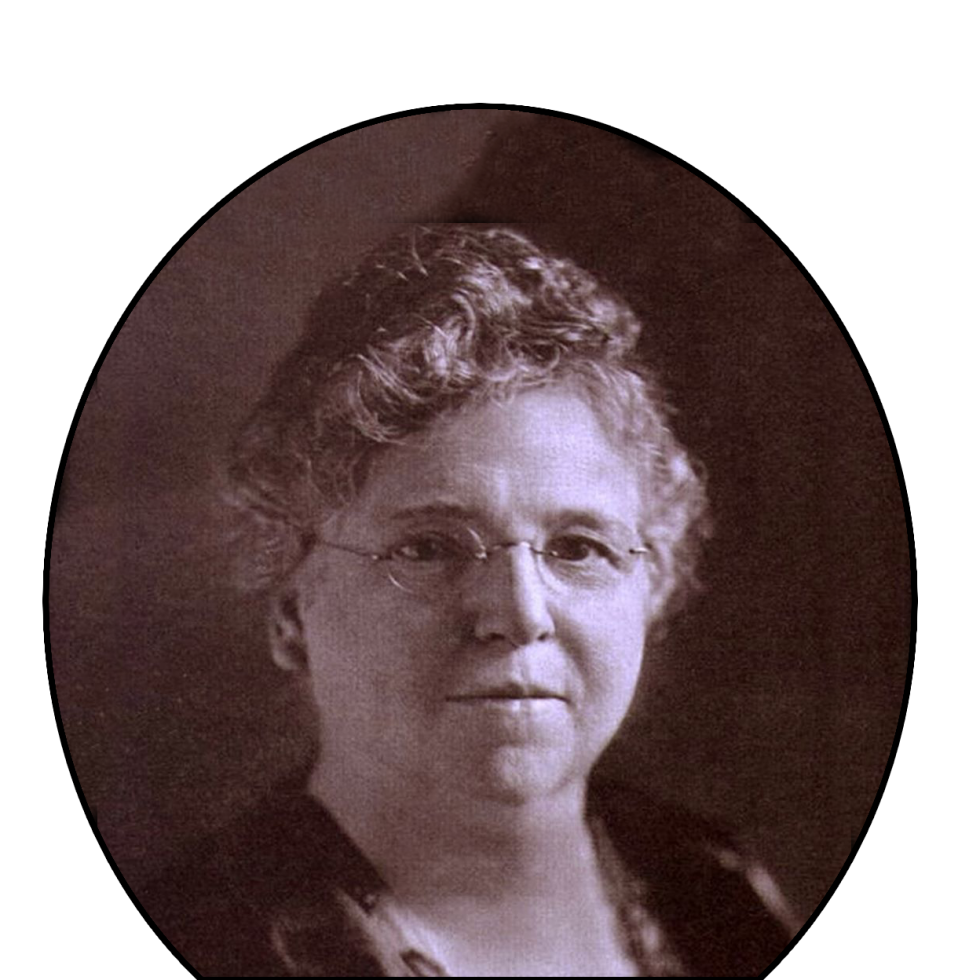
Henry and Ada McCleary: The Founders
In 1898, Henry McCleary saw the incredible potential of the forests in Grays Harbor County. He didn’t just build a sawmill; he built a world-class industry and a town to support it.
-
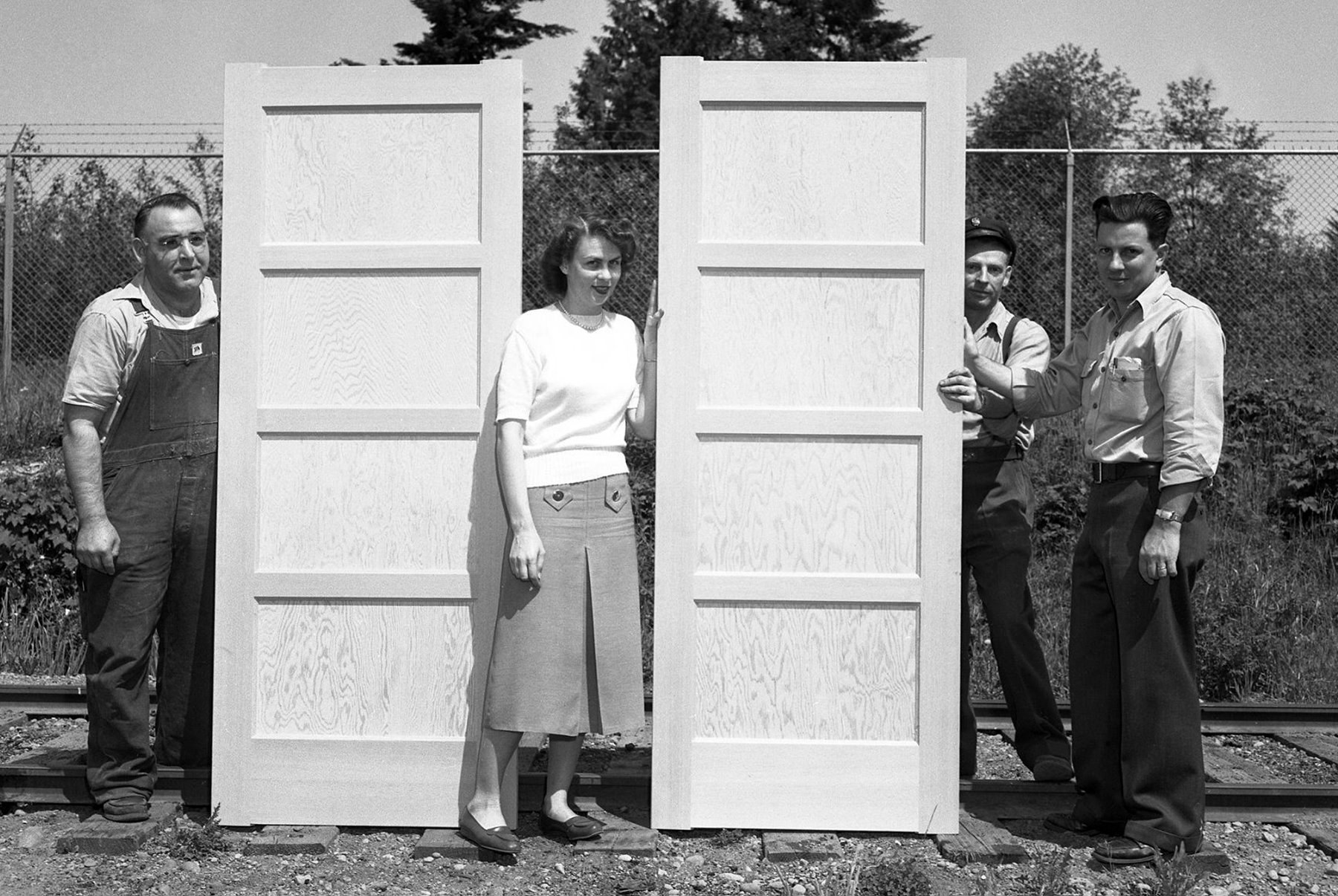
The Door Capital of the World: Under Henry’s leadership, the McCleary mill became the largest door manufacturer on earth. In 1923 alone, the dedicated local workforce produced over 300,000 doors in just sixty days!
-
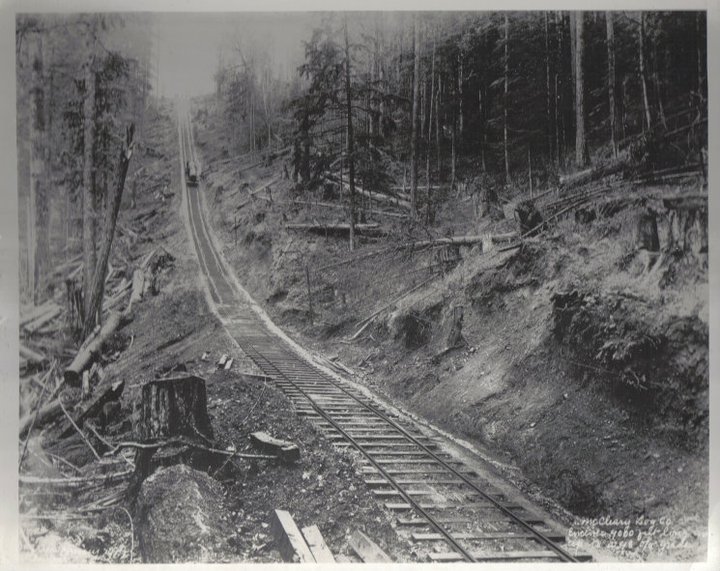
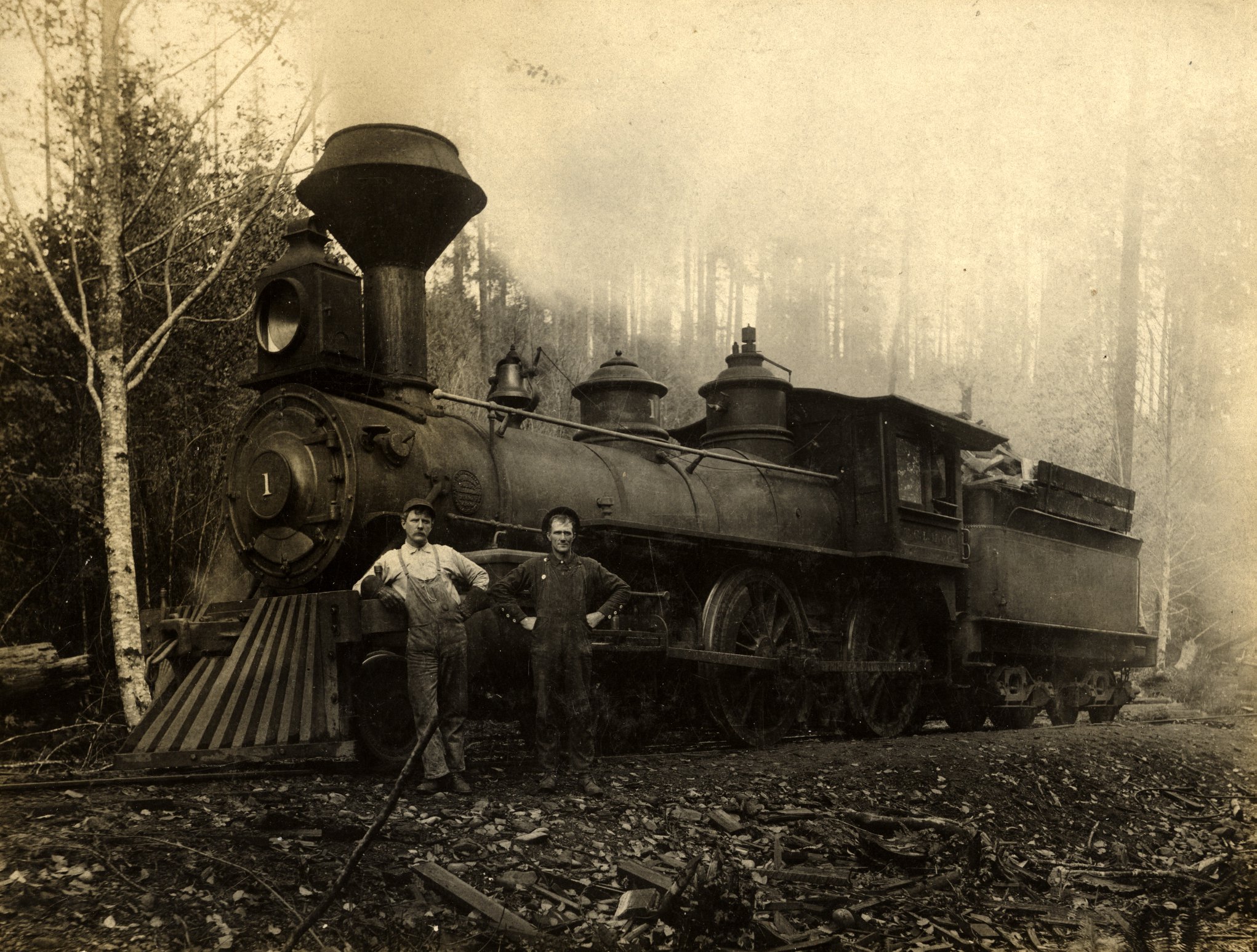
The Railroad Connection: To move all those doors, the town relied on the Northern Pacific Railroad. This connection turned a remote logging camp into a global shipping hub, linking McCleary’s timber to the rest of the world.
-
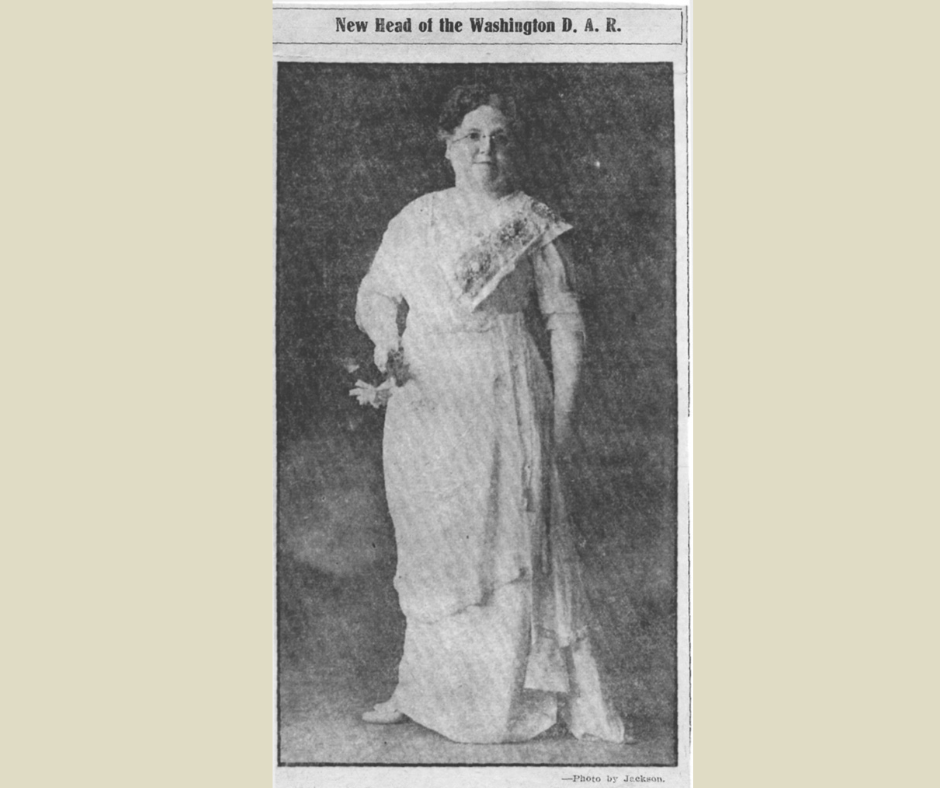
Ada’s Heart for People: While Henry focused on the mill, Ada McCleary focused on the soul of the town. She started our first library and founded the Women’s Aid Society.
-
A Strong Philosophy: Henry was a firm leader who believed in “enlightened self-interest.” He provided homes and electricity for his workers decades before many other towns had them. While he preferred to manage the town’s affairs personally rather than through unions, his primary goal was always the success and stability of the McCleary enterprise.
Prohibition and the “Cottage Industry” of Moonshine
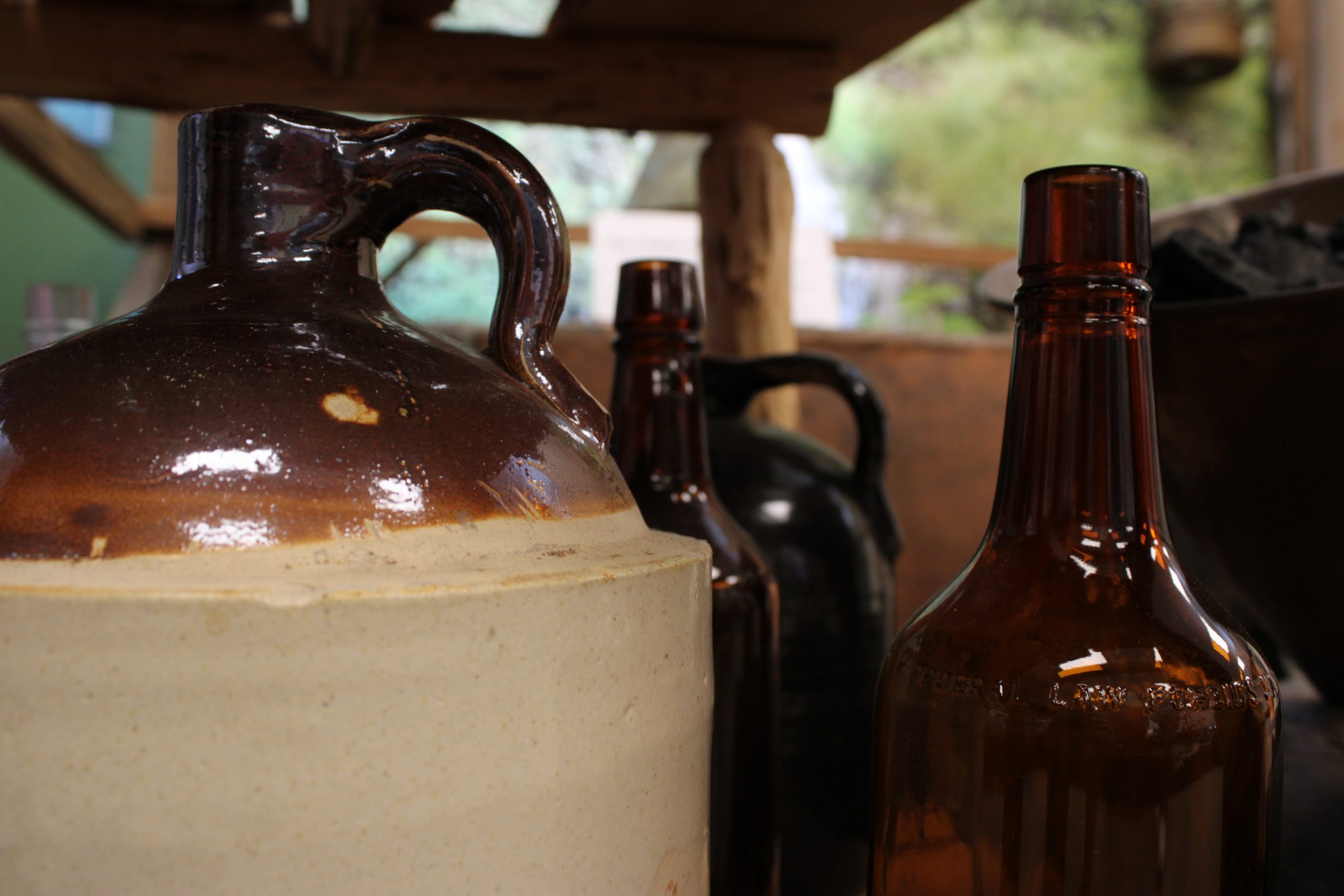
During Washington State’s Prohibition years (1916–1933), McCleary developed a legendary reputation. While the rest of the country was “dry,” our secluded town became famous for producing some of the highest-quality moonshine whiskey in the Pacific Northwest.
-
The Perfect Hiding Place: The thick, private forests surrounding the mill were the perfect place to hide portable distilleries. Making homemade liquor became a popular “cottage industry” for local families looking to make extra money.
-
The Railroad Connection: In a clever twist, Northern Pacific freight trains played a major role. The trains brought carloads of “dry ingredients” (like sugar and grain) into town. Then, without the railroad even knowing, bootleggers smuggled bottles of moonshine onto outgoing trains to be distributed all across the West.
-
A “Company Town” Secret: Because McCleary was a private town with its own roads, it was very hard for outside law enforcement to patrol. This privacy allowed the moonshine trade to thrive right under the noses of the authorities!
See it at the Museum: Want to see how it was done? Visit our Moonshine Still Exhibit at the Museum. We have a preserved, authentic still on display so you can see the craftsmanship behind this “secret” part of our history.
The McCleary Hotel: A Historic Showpiece
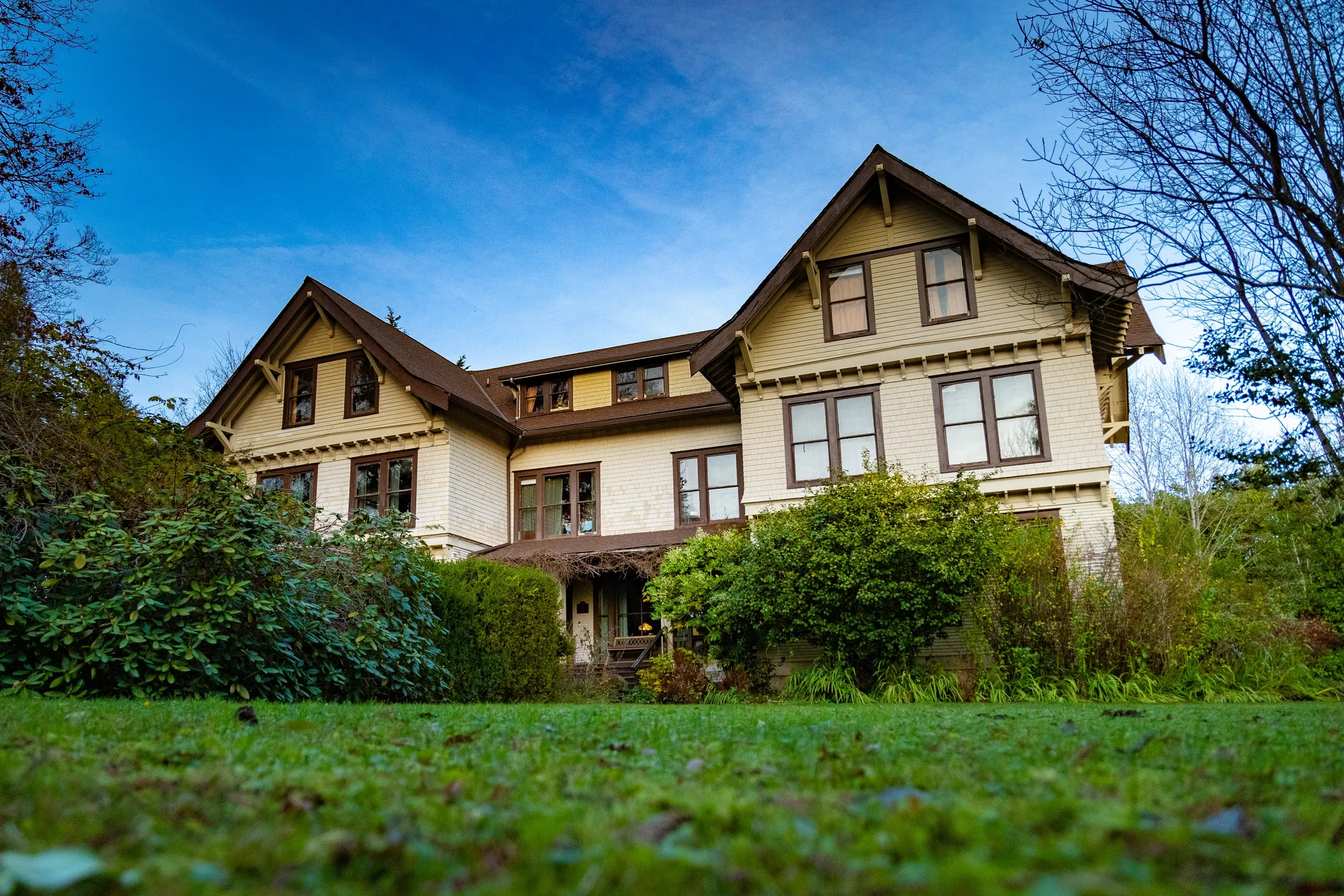
Built in 1912, the McCleary Hotel was the crown jewel of the town. While it was a beautiful place to stay, it was actually a brilliant sales tool for Henry McCleary’s lumber mill.
A “Living Showroom”
Henry didn’t just build a hotel; he built a way to sell his wood.
-
Douglas Fir Details: Every door, window, and grand staircase was made from high-quality Douglas Fir milled right here in town.
-
Modern Luxury: It was the first building in the area with full electric lighting, showing buyers that McCleary was a modern, successful place.
-
The Sales Strategy: Traveling buyers stayed in the hotel to experience the quality of the wood firsthand before placing large orders for the mill.
Ada McCleary’s Touch
While Henry focused on the lumber, Ada McCleary focused on the hospitality. She managed every detail, from the architectural layout to the silverware. She wanted a grand space where the company could host business leaders and local social events with pride.
The Hotel Today
In 1941, the hotel was sold to the Simpson Timber Company along with the rest of the town. Today, it is a Historic Boutique Hotel open to the public. The current restoration focuses on “preservation over reinvention,” keeping the original 1912 details alive for a new generation of travelers.
Learn more or book a stay: The McCleary Hotel | Historic Boutique Hotel in McCleary, WA

Wartime Production: A Community in Service
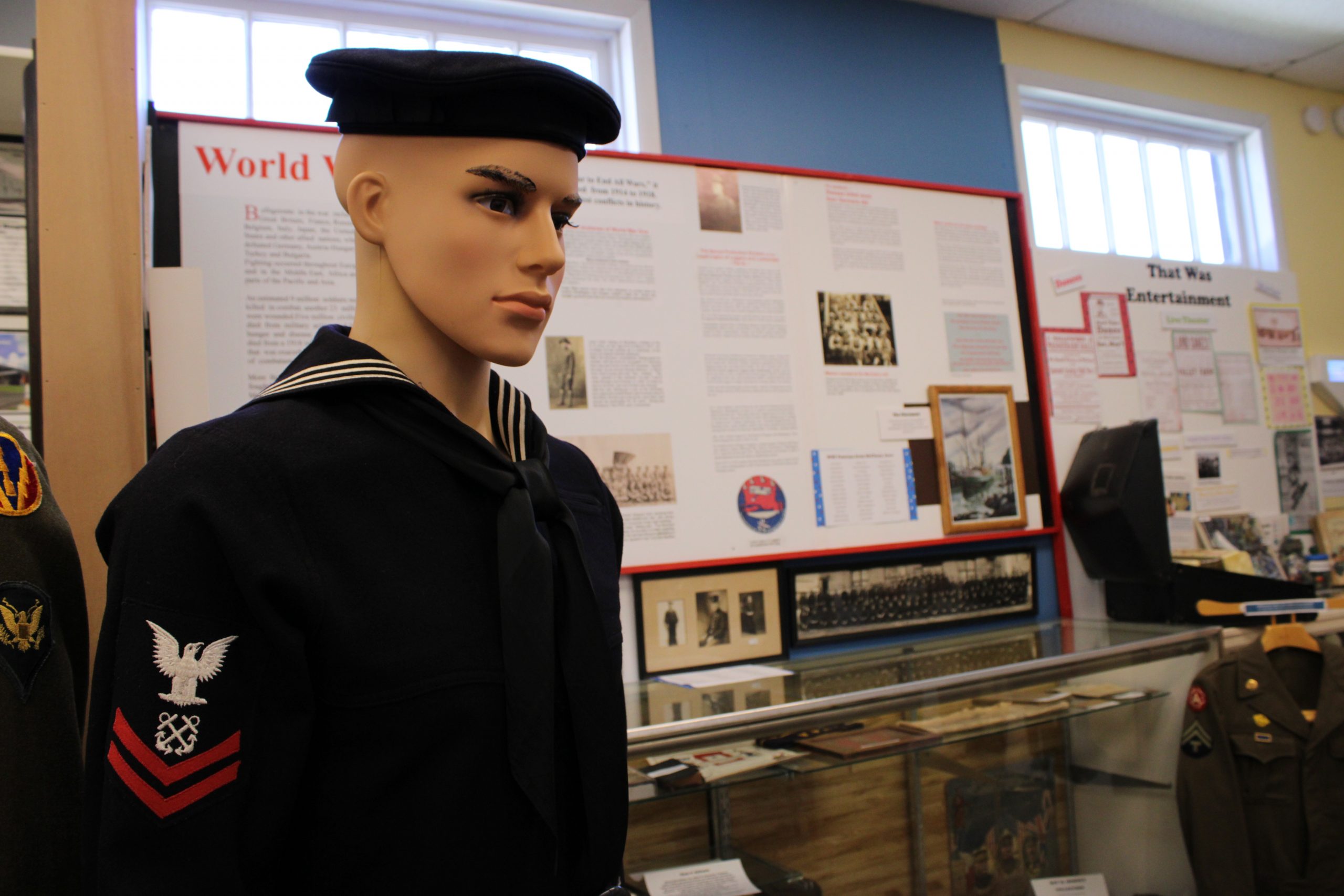
During both World Wars, McCleary proved that a small timber town could have a massive global impact. The community, the mill, and the local workforce shifted their focus from building homes to defending the nation.
World War I: The Red Cross and Regional Unity
When the United States entered World War I, the McCleary community organized immediately.
-
The Home Front: Led by Ada McCleary, the town became a hub for the Red Cross. Local women gathered daily to sew surgical bandages, knit socks, and assemble “comfort kits” for soldiers in the trenches.
-
Regional Coordination: McCleary did not work alone. The town coordinated with nearby Elma and Shelton to lead the region in massive clothing and scrap metal drives. This partnership between Grays Harbor and Mason Counties ensured that the timber belt was one of the top-contributing areas in the state.
-
The Spruce Production Division: The mill’s high-quality spruce and fir became essential for building the early biplanes used in the war, marking the beginning of McCleary’s role as a military supplier.
World War II: The “Rosies” of the Timber Industry
The start of World War II brought the biggest change in the mill’s history. As men left for the front lines, the town faced a labor shortage just as the demand for timber reached an all-time high.
-
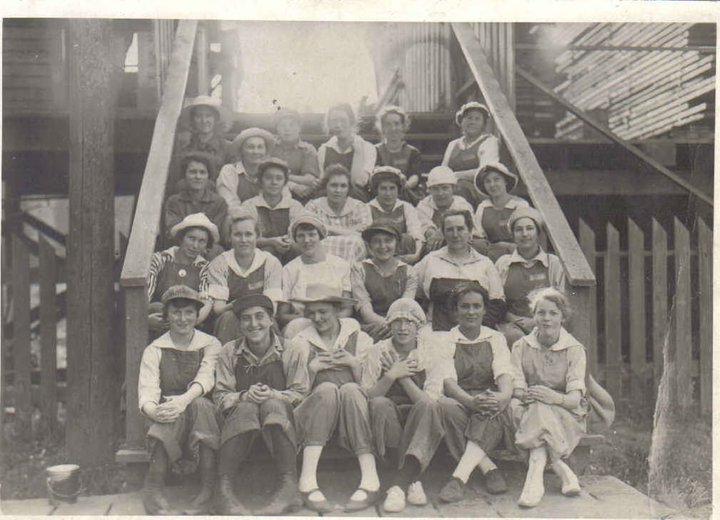
Women in the Workforce: In a historic shift, the women of McCleary entered the mill in record numbers. These local “Rosie the Riveters” took over the heavy machinery, operating saws and assembly lines to keep production moving 24 hours a day. Their hard work proved that the strength of the town lived in every resident.
-
Supplying the Allied Forces: The mill shifted away from decorative doors and focused on “war-grade” lumber. McCleary produced specialized materials for military barracks, shipping crates for ammunition, and plywood for PT boats and transport planes.
-
Industrial Synergy: To meet strict military deadlines, the McCleary mill worked in tandem with the Simpson Logging Company and other regional mills. Together, they created a “timber pipeline” that sent millions of board feet of lumber to the ports in Aberdeen and Olympia for shipment to the Pacific and European theaters.
The Spirit of Independence
It was during the height of this wartime effort—on New Year’s Eve in 1941—that the town was sold to Simpson Timber. This sale provided the stability needed to keep the mill running at full capacity throughout the war. By the time the city was officially incorporated in 1943, the people of McCleary had already proven they could manage their own future through the toughest of times.
The Simpson Era and the Birth of a City
The transition from a privately owned town to the independent City of McCleary is one of the most exciting chapters in our history. It was a journey of hard work, negotiation, and community pride.
The Midnight Deadline
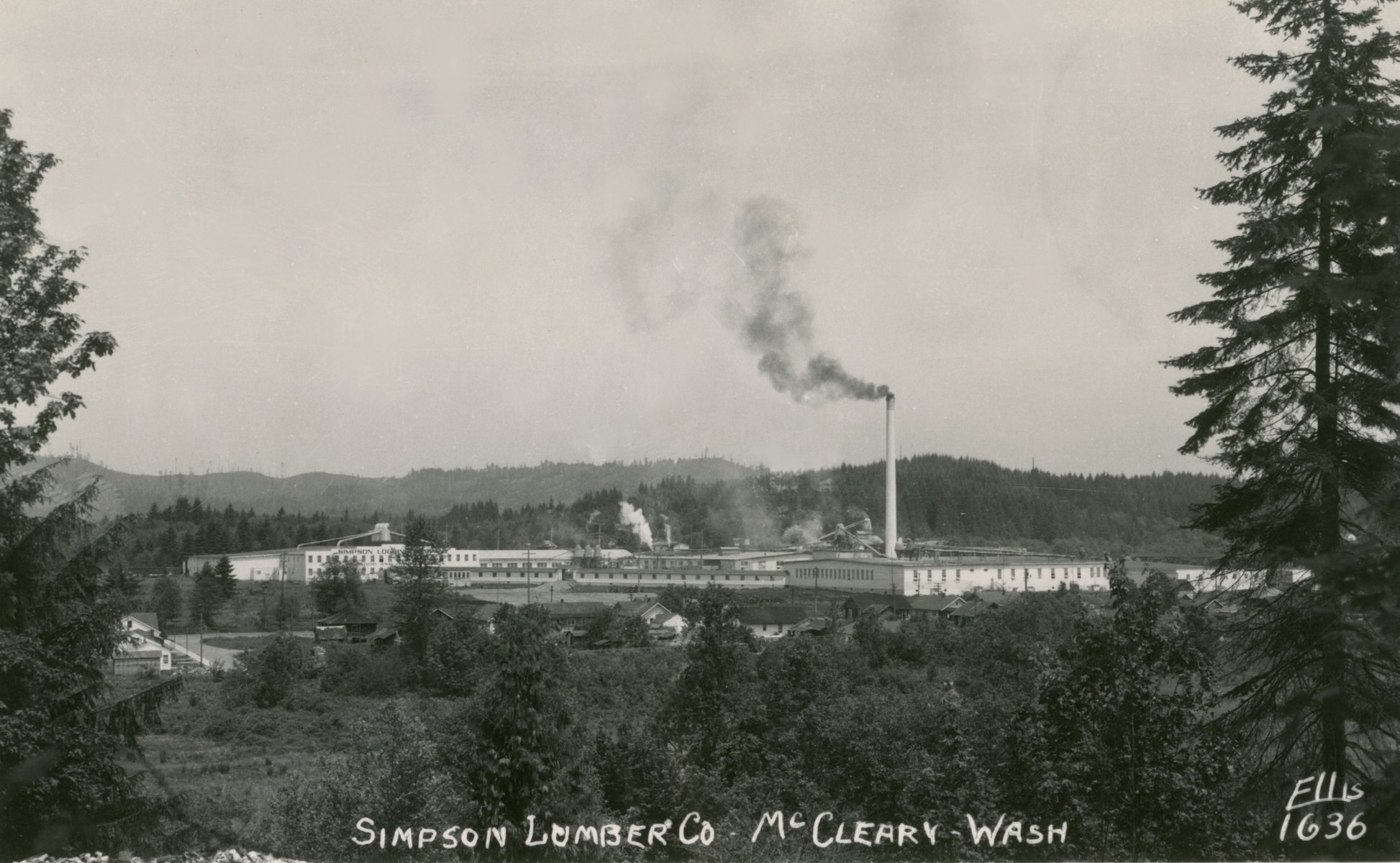
By 1941, Henry McCleary was 80 years old and ready to retire. The Simpson Logging Company in nearby Shelton was eager to buy his mills to grow their business, but there was a catch. Henry didn’t just want to sell the factories—he wanted to sell the entire town, including the houses, streets, and utilities.
Negotiations lasted for months. Finally, Henry set a strict deadline: reach a deal by midnight on December 31, 1941, or he would close everything down. Just one hour before the deadline, at 11:00 p.m., an agreement was reached. On New Year’s Day, a notice was posted on the office door telling the worried residents that the sale was final and they should “continue working as usual.”
An Old Town Renewed
When Simpson took over, they became the “landlords” of about 300 families. At the time, the town was in rough shape and desperately needed repairs to the water, power, and roads.
To fix this, Simpson encouraged the citizens to incorporate—which means forming their own local government. This allowed the people to run the city’s business while Simpson focused on the mills and providing jobs.
-
The First Election: On December 5, 1942, voters elected Lee Wills as the first Mayor, along with a treasurer and five councilmen.
-
Becoming a City: On January 9, 1944, McCleary was officially incorporated as a city in the State of Washington with about 1,200 residents.
The Mill Today
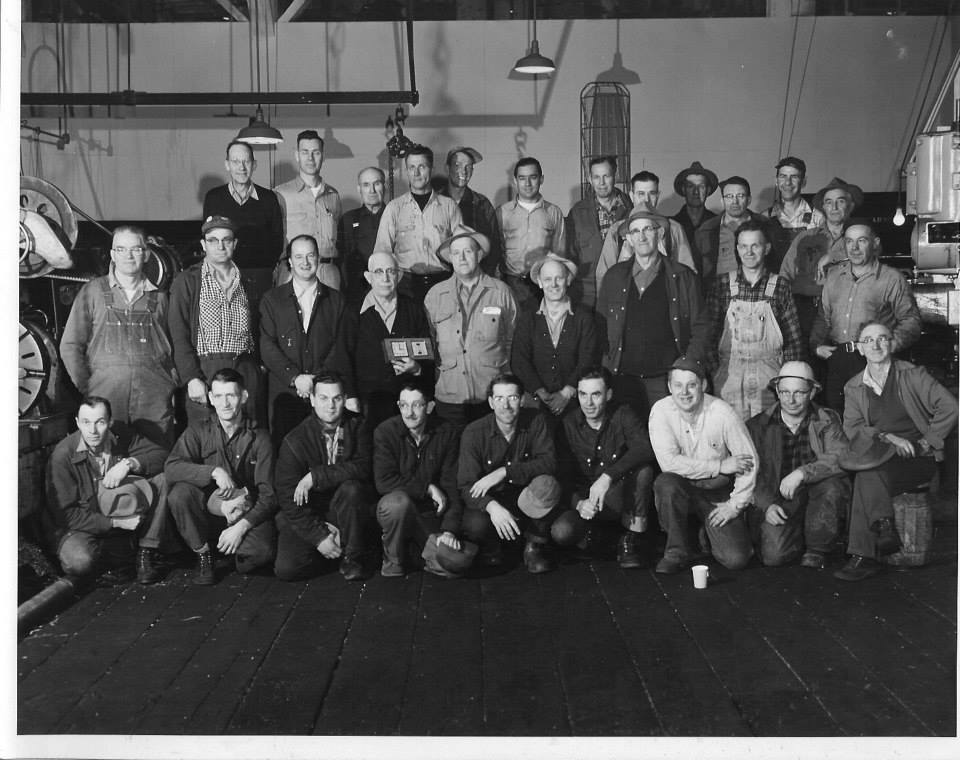
The legacy of that 1941 deal lives on today. The Simpson Door Company is one of the oldest continuously operating door plants in the United States. It remains our city’s main industry and largest employer, with about 350 workers.
Beyond being a business leader, Simpson continues to be a generous supporter of the McCleary Museum & Event Center, helping us keep these stories alive for future generations.
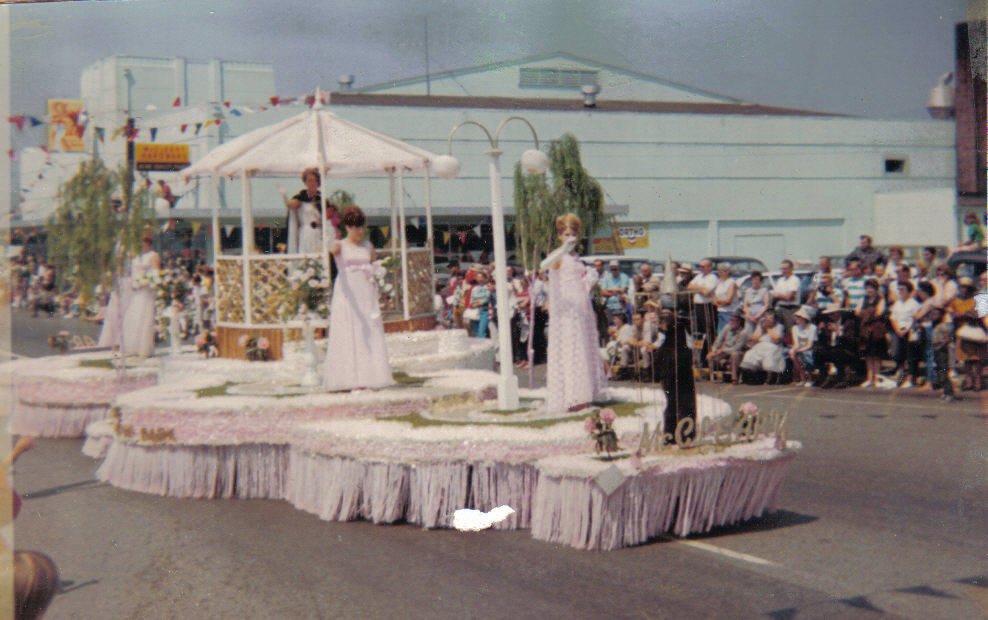

The McCleary Bear Festival: A Small-Town Tradition
Every summer, our city celebrates its heritage with the world-famous McCleary Bear Festival. Held on the second weekend of July, this three-day celebration welcomes visitors from all over the country to enjoy an old-fashioned, small-town festival.
The History of the Festival
The festival was started in 1959 by Norman Porter, who was the editor of the local newspaper, the McCleary Stimulator. What began as a local celebration has grown into a massive community event organized entirely by a non-profit group of dedicated volunteers.
The Famous Bear Stew
The biggest attraction of the weekend is the Bear Festival Stew.
-
The Tradition: The stew is cooked in enormous iron kettles on outdoor stoves right in the park.
-
The Feast: It is served on Saturday afternoon immediately following the Grand Parade. People travel from miles away just to get a bowl of this legendary local dish!
Weekend Highlights
The festival is packed with family-friendly entertainment, including:
-
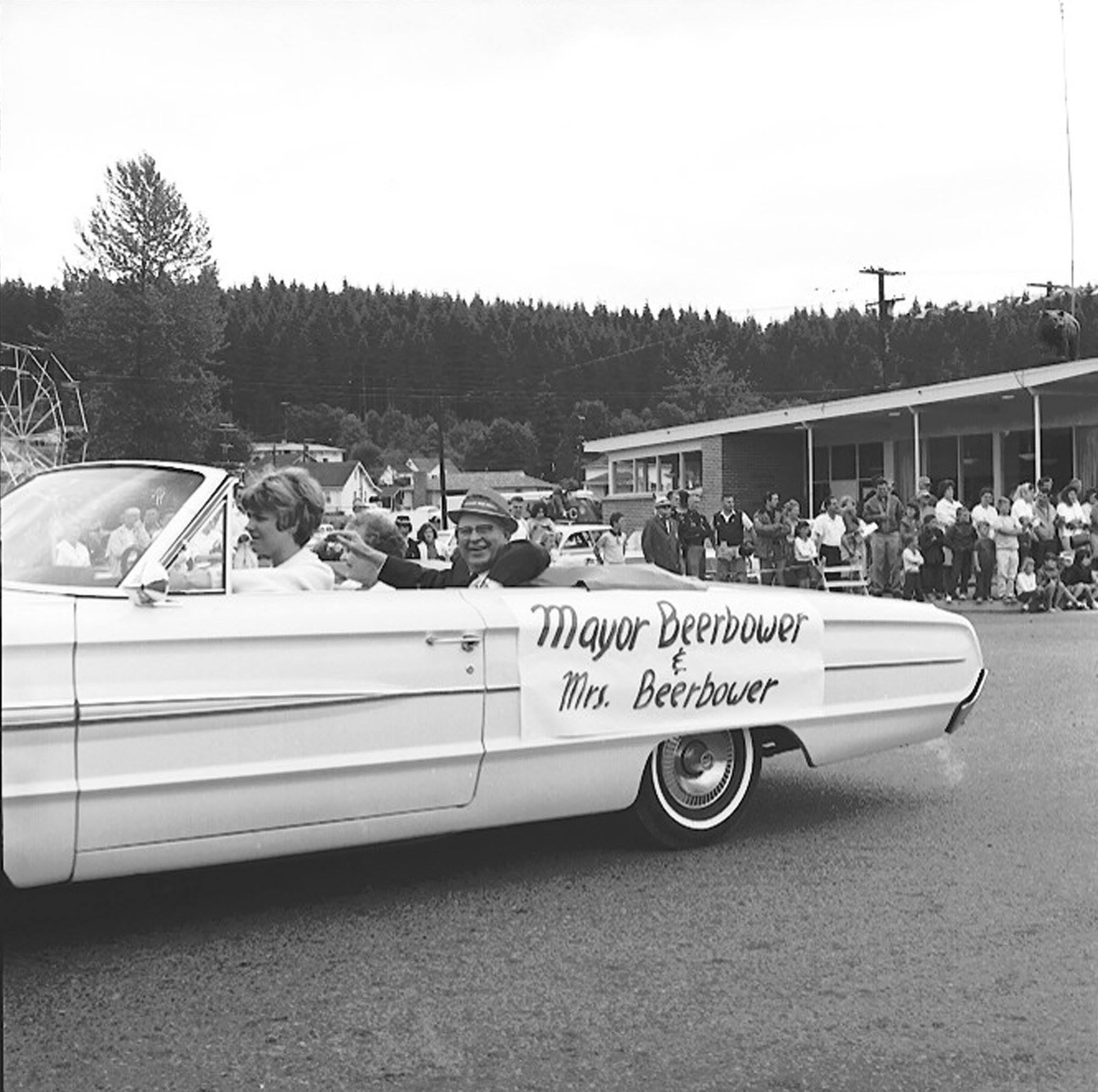
The Grand Parade: A colorful procession through the heart of town.
-
Sports & Games: A massive softball tournament and the high-speed excitement of the Soapbox Derby.
-
The Car Show: A display of classic and custom vehicles.
-
Live Music: Local bands and family entertainment throughout the weekend.
The Museum and the Festival
The McCleary Museum & Event Center is a proud part of this annual tradition!
-
The Exhibit: We feature a special Bear Festival Exhibit where you can see photos, posters, and memorabilia from the very first festival in 1959 to today.
-
Join the Fun: During the festival weekend, the Museum participates in the Grand Parade and hosts a booth in the park.
-
Special Events: We also hold special events and open houses at the Museum during the festival weekend, making it the perfect place to learn the “story behind the stew.”
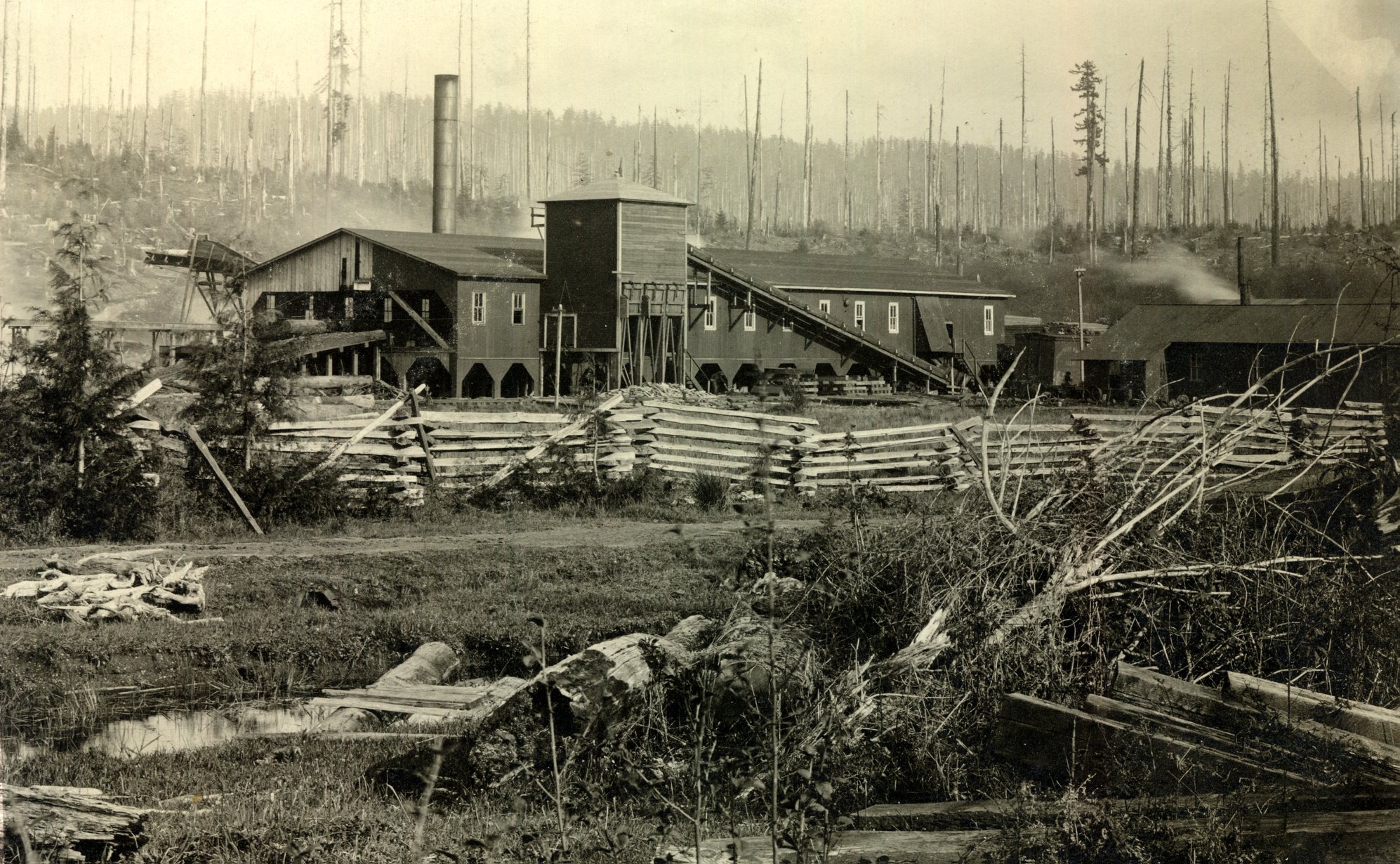
Below: McCleary Mill & Factory 1911, Panorama by Scarborough & Nye. Courtesy of the Chehalis Valley Historical Society

Message the Museum Fill out the form below to contact us. We can help with history research, venue rentals, and memberships and other questions or concerns.
Prefer to call? 360-964-0561 Mailing Address: PO Box 554, McCleary, WA 98557 Visit Us During Open Hours: 426 S 3rd St, McCleary, WA